
Introduction
Modern Home Design has become one of the most popular approaches to creating beautiful, practical, and comfortable living spaces. It combines clean lines, open layouts, natural lighting, and functional furniture to create homes that feel both elegant and welcoming. Whether you are building a new house, renovating an existing property, or simply updating a few rooms, understanding the principles of Modern Home Design can help you make better design decisions that improve both appearance and usability.
Unlike traditional decorating styles that often emphasize decorative details and heavy furniture, modern interiors focus on simplicity without sacrificing comfort. Every piece serves a purpose while contributing to the overall aesthetic of the home. This design philosophy encourages homeowners to eliminate unnecessary clutter and create spaces that promote relaxation and efficiency.
Modern Home Design also adapts well to different budgets and lifestyles. You do not need a luxury home to achieve a modern look. With thoughtful planning, smart furniture choices, and balanced color schemes, almost any home can embrace modern design principles. In this guide, you will learn what Modern Home Design is, why it matters, how to implement it step by step, its advantages and disadvantages, common mistakes to avoid, frequently asked questions, and professional tips that will help you create a timeless living space.
What is Modern Home Design?
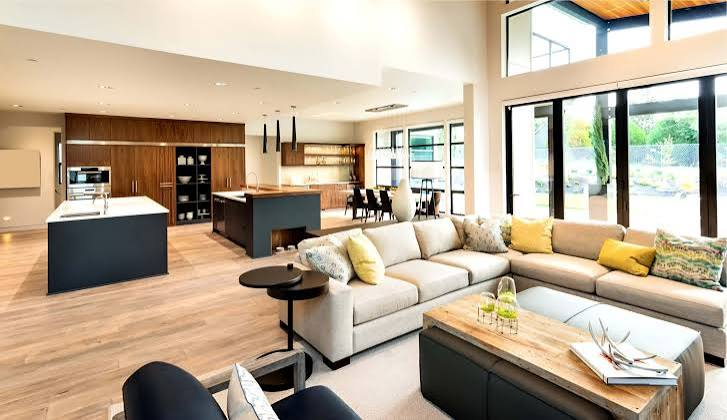
Modern Home Design is a design style focused on simplicity, functionality, and clean aesthetics. It emphasizes open spaces, neutral color palettes, minimal decoration, and high-quality materials. The goal is to create an environment that feels spacious, organized, and visually appealing.
Some common characteristics include:
- Open floor plans
- Large windows with natural light
- Neutral colors
- Minimal decorative elements
- Functional furniture
- Natural materials such as wood, glass, and stone
- Smart storage solutions
- Simple geometric shapes
Modern Home Design creates harmony by balancing beauty with practicality, making homes easier to maintain while enhancing everyday living.
Why is Modern Home Design Important?
Modern Home Design offers more than visual appeal. It improves the way people live by making spaces more organized, comfortable, and efficient.
A thoughtfully designed home encourages better movement between rooms, maximizes available space, and increases natural light. It can also improve productivity for people working from home while creating relaxing environments for family gatherings and personal downtime.
Additionally, modern homes often incorporate energy-efficient lighting, better insulation, and sustainable materials, helping homeowners reduce utility costs while supporting environmentally friendly living.
Detailed Step-by-Step Guide
Step 1: Define Your Design Goals
Begin by identifying your needs and lifestyle. Decide whether your priority is entertaining guests, maximizing storage, creating a family-friendly environment, or designing a peaceful retreat.
Step 2: Choose a Neutral Color Palette
Select colors like white, beige, gray, cream, or soft earth tones. These shades create a calm atmosphere and make rooms appear larger. Accent colors can be introduced through artwork, cushions, or decorative accessories.
Step 3: Focus on Functional Furniture
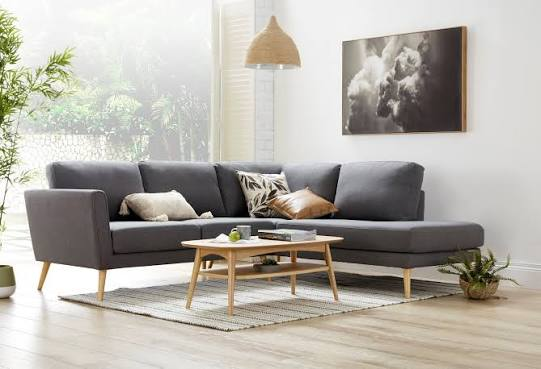
Choose furniture that combines comfort with practicality. Pieces featuring clean lines, hidden storage, and durable materials work particularly well in Modern Home Design.
Step 4: Maximize Natural Light
Large windows, glass doors, and light-colored walls help brighten interiors. Use sheer curtains instead of heavy drapes to allow sunlight to enter throughout the day.
Step 5: Declutter Every Room
Remove unnecessary items and keep only what adds value or serves a purpose. Organized spaces create a more relaxing and visually pleasing environment.
Step 6: Incorporate Natural Materials
Wood flooring, stone countertops, glass partitions, and metal accents add texture without overwhelming the design. Mixing these materials creates warmth and visual balance.
Step 7: Add Smart Storage Solutions
Built-in shelves, floating cabinets, under-bed storage, and multifunctional furniture help keep rooms tidy while maintaining a minimalist appearance.
Step 8: Decorate with Purpose
Instead of filling every surface with decorations, select a few meaningful pieces such as framed artwork, indoor plants, or modern sculptures that complement the overall design.
Benefits of Modern Home Design
- Creates clean and organized living spaces.
- Maximizes natural light throughout the home.
- Makes small rooms appear larger.
- Improves daily functionality.
- Supports easier cleaning and maintenance.
- Encourages better organization.
- Works well with smart home technology.
- Increases long-term property value.
- Offers timeless visual appeal.
- Promotes energy efficiency through thoughtful planning.
Disadvantages / Risks
- Minimalist spaces may feel too plain for some homeowners.
- High-quality materials can increase renovation costs.
- Poor planning may create spaces that lack warmth.
- Open layouts sometimes reduce privacy.
- Trend-focused designs may require updates over time.
- Large windows may need additional privacy solutions.
Common Mistakes to Avoid
Many homeowners assume modern design means removing all personality from a space. In reality, Modern Home Design balances simplicity with comfort and individuality.
Avoid overcrowding rooms with furniture or decorative items. Every object should have a clear purpose and contribute to the overall design.
Do not ignore lighting. Combining natural light with layered artificial lighting creates a comfortable atmosphere throughout the day and evening.
Another common mistake is selecting furniture based only on appearance. Comfortable seating, durable materials, and practical storage are equally important.
Finally, avoid mixing too many design styles without careful planning. A consistent theme creates a more polished and cohesive result.
FAQs
What makes Modern Home Design different from traditional design?
Modern Home Design focuses on simplicity, clean lines, functionality, and open spaces, while traditional design often includes ornate details, decorative furniture, and richer color schemes.
Is Modern Home Design suitable for small homes?
Yes. Modern layouts maximize available space, use multifunctional furniture, and reduce clutter, making smaller homes feel larger and more comfortable.
Is modern design expensive?
Not necessarily. Although premium materials can increase costs, many affordable furniture options and simple decorating techniques can achieve a modern appearance within almost any budget.
Which colors work best in Modern Home Design?
Neutral shades such as white, gray, beige, cream, and soft earth tones are commonly used. Accent colors can be added carefully for visual interest.
Can modern homes still feel warm and inviting?
Absolutely. Natural wood, soft fabrics, indoor plants, warm lighting, and textured materials help create a welcoming atmosphere without sacrificing modern style.
How often should I update my modern interior?
Major renovations are not necessary frequently. Simple updates like replacing cushions, artwork, lighting fixtures, or decorative accessories can keep your home looking fresh for years.
Expert Tips & Bonus Points
Prioritize quality over quantity when purchasing furniture and décor. Durable pieces often last much longer and maintain their appearance.
Use mirrors strategically to reflect natural light and create the illusion of larger rooms.
Add indoor plants to introduce color, improve air quality, and soften minimalist interiors.
Invest in adjustable lighting so each room can adapt to different activities and moods.
Choose timeless materials instead of following short-lived design trends. This helps your home remain attractive and valuable over time.
Always maintain a balance between aesthetics and functionality. A beautiful room should also support your everyday lifestyle.
Conclusion
Modern Home Design is more than a decorating trend. It represents a thoughtful approach to creating homes that are practical, comfortable, and visually appealing. By focusing on simplicity, functionality, natural light, and carefully selected materials, homeowners can build spaces that support both daily living and long-term value. Whether you are redesigning a single room or planning an entire home renovation, applying modern design principles can make every area feel more organized, spacious, and welcoming.
The key to successful Modern Home Design is making intentional choices rather than filling spaces with unnecessary items. Every piece of furniture, color, and decorative element should contribute to the overall harmony of the home. Even small improvements such as decluttering, choosing multifunctional furniture, or introducing more natural light can significantly transform your living environment.
Remember that modern design should reflect your personal lifestyle while maintaining clean aesthetics and practical functionality. Focus on quality, consistency, and comfort instead of chasing temporary trends. With careful planning and attention to detail, you can create a beautiful home that remains stylish, efficient, and enjoyable for many years. Whether you are just starting your design journey or refining an existing space, Modern Home Design offers timeless solutions that combine elegance, simplicity, and everyday convenience.