
Introduction
Your bedroom is more than just a place to sleep. It is a personal retreat where you relax, recharge, and enjoy peaceful moments after a busy day. That is why choosing the right bedroom design ideas can significantly improve both comfort and appearance. Whether you are decorating a brand-new room or updating an existing one, thoughtful planning makes a noticeable difference.
Many people believe that designing a beautiful bedroom requires a large budget. However, smart planning, creative decoration, and selecting the right furniture can transform any bedroom without spending a fortune. From choosing calming colors to arranging furniture efficiently, every detail contributes to a welcoming environment.
Modern bedroom design ideas focus on balancing functionality with style. A well-designed bedroom should reflect your personality while providing enough storage, proper lighting, and comfortable furniture. Even small changes, such as replacing bedding or adding decorative accessories, can refresh the entire room.
This guide explores practical bedroom design ideas suitable for beginners and intermediate homeowners. You will learn essential design principles, discover step-by-step decorating techniques, understand common mistakes, and gain expert insights that help you create a bedroom you truly enjoy. By following these recommendations, you can build a relaxing space that combines beauty, comfort, and practicality for years to come.
What is Bedroom Design Ideas?
Bedroom design ideas refer to creative concepts and practical strategies used to improve the appearance, comfort, and functionality of a bedroom. These ideas include selecting suitable furniture, choosing color schemes, arranging layouts, adding decorative accessories, improving lighting, and maximizing storage.
Bedroom design is not limited to expensive renovations. It also includes simple improvements such as changing curtains, updating wall colors, adding indoor plants, or choosing stylish bedding. The goal is to create a space that feels comfortable, organized, and visually appealing.
Whether your preference is modern, minimalist, rustic, traditional, Scandinavian, or luxury, there are countless bedroom design ideas that can match your personal taste and available space.
Why is Bedroom Design Ideas Important?
A thoughtfully designed bedroom provides benefits beyond attractive decoration. It improves your daily lifestyle while creating a peaceful environment.
Good bedroom design is important because it:
- Creates a relaxing atmosphere.
- Improves sleep quality.
- Makes better use of available space.
- Enhances organization and storage.
- Reflects your personality and style.
- Increases the overall value of your home.
- Makes everyday living more enjoyable.
An attractive bedroom also contributes positively to mental well-being by reducing clutter and promoting relaxation.
Detailed Step-by-Step Guide
Step 1: Define Your Style
Start by deciding how you want your bedroom to look.
Popular styles include:
- Modern
- Minimalist
- Traditional
- Rustic
- Scandinavian
- Bohemian
- Contemporary
- Luxury
Choosing one consistent style helps every decorative element work together.
Step 2: Choose the Right Color Palette
Colors influence mood more than many people realize.
Soft shades like white, beige, gray, light blue, and sage green create calm surroundings. Darker colors can add elegance when balanced with lighter furniture and accessories.
Avoid using too many contrasting colors, as they may make the room appear cluttered.
Step 3: Select Comfortable Furniture
Furniture should match both your room size and lifestyle.
Essential bedroom furniture includes:
- Comfortable bed
- Mattress
- Bedside tables
- Wardrobe
- Dresser
- Reading chair (optional)
Avoid overcrowding the room with unnecessary furniture pieces.
Step 4: Optimize Furniture Placement
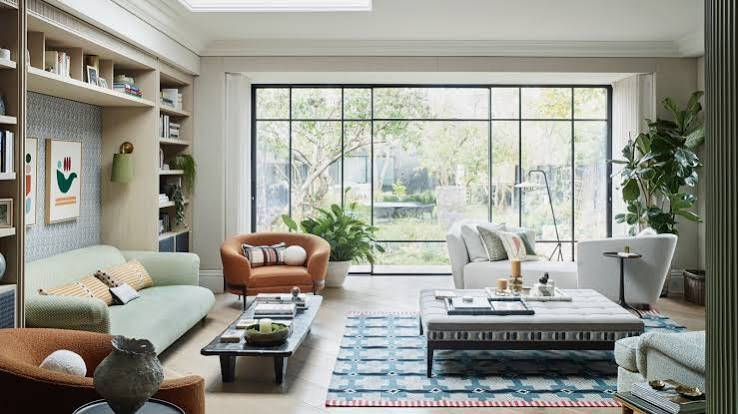
Arrange furniture to maximize walking space.
Place the bed against the main wall whenever possible. Keep pathways clear and position wardrobes where doors can open comfortably.
Good layout planning improves both functionality and appearance.
Step 5: Improve Lighting
Lighting creates mood and enhances practicality.
Use multiple lighting sources such as:
- Ceiling lights
- Bedside lamps
- Reading lights
- Accent lighting
- Natural sunlight
Layered lighting gives you flexibility for different activities.
Step 6: Add Storage Solutions
Storage keeps your bedroom neat and organized.
Useful storage options include:
- Under-bed drawers
- Floating shelves
- Storage benches
- Built-in wardrobes
- Multifunctional furniture
Smart storage reduces clutter without sacrificing style.
Step 7: Decorate Thoughtfully
Accessories complete your bedroom design.
Consider adding:
- Decorative pillows
- Area rugs
- Wall art
- Indoor plants
- Mirrors
- Curtains
- Cozy blankets
Choose decorations that complement your overall design rather than overpowering it.
Step 8: Personalize the Space
Your bedroom should feel uniquely yours.
Display family photographs, favorite artwork, travel souvenirs, or meaningful decorative pieces. Personal touches make the room warm and inviting without making it feel crowded.
Benefits of Bedroom Design Ideas
Applying effective bedroom design ideas offers many advantages.
- Creates a peaceful sleeping environment.
- Improves room organization.
- Enhances comfort every day.
- Makes small rooms appear larger.
- Increases property appeal.
- Reflects personal style.
- Reduces visual clutter.
- Improves productivity for work-from-home bedrooms.
- Encourages better relaxation.
- Creates a welcoming atmosphere for guests.
Disadvantages / Risks
Although redesigning a bedroom is rewarding, some challenges may arise.
- Poor planning may waste money.
- Trendy designs can become outdated quickly.
- Excessive decoration creates clutter.
- Low-quality furniture may wear out faster.
- Incorrect lighting reduces comfort.
- Oversized furniture makes rooms feel cramped.
- Ignoring storage leads to disorganization.
Planning carefully minimizes these risks.
Common Mistakes to Avoid
Many homeowners unknowingly make decorating mistakes that reduce both comfort and style.
Avoid these common errors:
- Buying furniture before measuring the room.
- Using too many decorative accessories.
- Ignoring natural lighting.
- Choosing uncomfortable mattresses.
- Mixing too many design styles.
- Selecting wall colors without testing samples.
- Blocking windows with bulky furniture.
- Forgetting adequate storage.
- Ignoring balance and symmetry.
- Prioritizing appearance over comfort.
Taking time to plan prevents costly redesigns later.
FAQs
1. What colors work best for bedrooms?
Neutral colors, soft blues, greens, warm whites, and light grays create relaxing environments suitable for most bedroom styles.
2. How can I decorate a small bedroom?
Use multifunctional furniture, wall-mounted shelves, mirrors, light-colored walls, and minimal decorations to maximize available space.
3. What is the most important bedroom furniture?
A comfortable bed and quality mattress are the most essential pieces because they directly affect sleep quality and overall comfort.
4. How often should I update bedroom decor?
Minor updates every one to two years keep the room fresh, while major redesigns are usually needed every five to ten years.
5. Are indoor plants suitable for bedrooms?
Yes. Many indoor plants improve appearance while creating a calm atmosphere. Choose low-maintenance varieties that thrive indoors.
6. How do I make my bedroom look luxurious on a budget?
Invest in quality bedding, coordinated colors, elegant lighting, decorative cushions, mirrors, and simple wall art instead of expensive furniture.
Expert Tips & Bonus Points
Professional designers recommend focusing on timeless design rather than temporary trends.
Helpful expert suggestions include:
- Invest in high-quality bedding.
- Keep surfaces uncluttered.
- Choose durable furniture materials.
- Add layered lighting for flexibility.
- Include natural textures like wood and cotton.
- Use mirrors to increase brightness.
- Maintain consistent color themes.
- Rotate decorative accessories seasonally.
- Add one statement piece instead of many small decorations.
- Prioritize comfort before decoration.
Small improvements often have the biggest visual impact when combined thoughtfully.
Conclusion
Choosing the right bedroom design ideas allows you to create a space that supports both relaxation and everyday living. A successful bedroom combines attractive decoration with practical functionality, ensuring every element contributes to comfort and organization. Whether your room is large or small, thoughtful planning helps maximize every square foot while reflecting your personal style.
Designing an inviting bedroom does not require expensive renovations or luxury furniture. Instead, focus on selecting calming colors, comfortable furnishings, efficient storage solutions, proper lighting, and tasteful decorative accents. Even simple upgrades can dramatically improve the appearance and usability of your room.
Remember that the best bedroom design ideas are those that suit your lifestyle rather than simply following current trends. Prioritize quality over quantity, avoid unnecessary clutter, and create a balanced layout that feels open and welcoming. Personal touches such as artwork, family photos, or favorite decorative pieces make the room uniquely yours while maintaining harmony throughout the design.
By applying the strategies outlined in this guide, you can confidently transform your bedroom into a comfortable retreat that promotes restful sleep, reduces stress, and enhances your home’s overall appeal. Careful planning, consistent design choices, and attention to detail will ensure your bedroom remains stylish, functional, and enjoyable for many years to come.