
Introduction
Home organization is more than simply keeping a house clean. It is the process of arranging your living spaces in a way that improves comfort, efficiency, and peace of mind. Whether you live in a large family home or a small apartment, having an organized environment makes everyday tasks easier and more enjoyable. Instead of wasting time looking for misplaced items, you can quickly find what you need and focus on the things that matter most.
Many people believe organizing a home requires expensive storage products or professional help. In reality, successful home organization starts with simple habits and thoughtful planning. Small improvements, such as organizing one drawer or creating designated storage areas, can make a significant difference over time.
A well-organized home also supports better productivity, reduces stress, and creates a welcoming atmosphere for family members and guests. It encourages healthier routines and helps prevent unnecessary clutter from taking over your living space. Whether you are starting from scratch or improving your current system, this guide will help you understand the fundamentals of home organization and provide practical steps you can apply immediately. By following these proven strategies, you can transform your home into a space that is functional, attractive, and easier to maintain every day.
What is Home Organization?
Home organization is the process of arranging furniture, belongings, and storage spaces to maximize efficiency and minimize clutter. It involves assigning every item a proper place while removing unnecessary possessions that no longer serve a purpose.
Unlike simple cleaning, which focuses on removing dirt and dust, home organization creates long-term systems that keep your living spaces neat and manageable. Good organization ensures that everyday items are easy to access while seasonal or rarely used belongings remain properly stored.
An organized home includes every room, from the kitchen and bedrooms to closets, garages, bathrooms, and home offices.
Why is Home Organization Important?
Home organization provides benefits that extend beyond appearance. A tidy environment contributes to both physical and mental well-being while making daily routines much more efficient.
Some important reasons include:
- Reduces daily stress caused by clutter.
- Saves valuable time searching for misplaced items.
- Improves household productivity.
- Creates safer living spaces by removing hazards.
- Makes cleaning quicker and easier.
- Maximizes available storage.
- Helps families maintain better routines.
- Creates a welcoming atmosphere for visitors.
A well-organized home supports a balanced lifestyle by making everyday responsibilities simpler and less overwhelming.
Detailed Step-by-Step Guide
Step 1: Set Clear Goals
Begin by identifying which areas need the most attention. Instead of trying to organize your entire home in one day, choose one room or one section at a time.
Examples include:
- Kitchen pantry
- Bedroom closet
- Bathroom cabinets
- Living room shelves
Breaking the project into smaller tasks prevents frustration.
Step 2: Declutter First
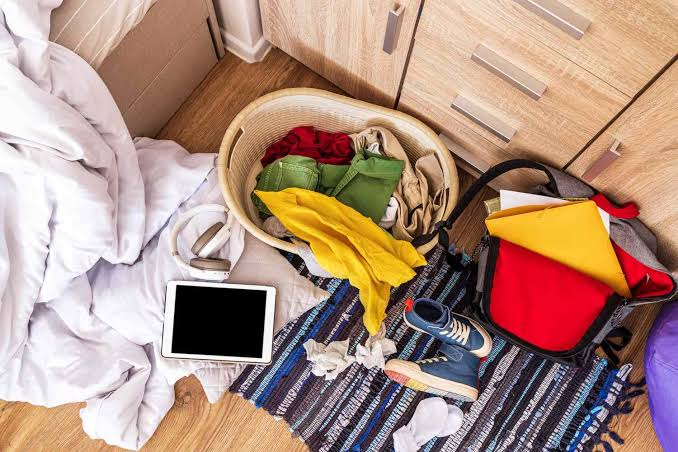
Remove everything from the selected area and sort items into categories.
Create separate piles for:
- Keep
- Donate
- Recycle
- Throw away
If you have not used an item for a long time and it no longer serves a purpose, consider letting it go.
Step 3: Categorize Similar Items
Group similar belongings together.
For example:
- Office supplies
- Cleaning products
- Cooking utensils
- Children’s toys
- Seasonal decorations
Grouping items makes them easier to locate later.
Step 4: Choose Practical Storage Solutions
Select storage options based on your available space.
Useful storage ideas include:
- Clear containers
- Drawer dividers
- Stackable bins
- Storage baskets
- Shelf organizers
- Hanging organizers
Avoid buying storage products before decluttering because you may discover you need less storage than expected.
Step 5: Assign Permanent Locations
Every item should have a designated home.
Store frequently used items where they are easily accessible while placing occasional-use items on higher shelves or storage areas.
This habit helps maintain long-term home organization.
Step 6: Label Storage Areas
Labels reduce confusion and help everyone in the household return items to their proper locations.
You can label:
- Pantry containers
- Storage bins
- Toy boxes
- Office files
- Cleaning supplies
Simple labels encourage consistency.
Step 7: Build Daily Habits
Maintaining home organization requires small daily efforts.
Helpful habits include:
- Make the bed every morning.
- Return items after use.
- Wash dishes promptly.
- Spend ten minutes tidying before bedtime.
- Empty unnecessary paper clutter weekly.
Consistency prevents clutter from returning.
Benefits of Home Organization
- Saves time during daily routines.
- Creates a calmer environment.
- Improves mental focus.
- Reduces household stress.
- Makes cleaning faster.
- Increases storage efficiency.
- Helps protect valuable belongings.
- Encourages healthier daily habits.
- Improves family cooperation.
- Makes entertaining guests easier.
- Supports better financial decisions by preventing duplicate purchases.
- Enhances the appearance of every room.
Disadvantages / Risks
Although home organization offers many advantages, some challenges may arise.
- Initial decluttering may feel overwhelming.
- Organizing large homes requires patience.
- Storage products can become expensive.
- Poor planning may create ineffective systems.
- Family members may not follow new routines immediately.
- Over-organizing can waste unnecessary time.
Most of these challenges can be avoided through realistic planning and consistent maintenance.
Common Mistakes to Avoid
Many people unintentionally create more clutter while trying to organize.
Common mistakes include:
- Buying storage containers before decluttering.
- Organizing everything in one day.
- Keeping unnecessary sentimental items.
- Ignoring hidden storage spaces.
- Creating overly complicated systems.
- Failing to maintain daily habits.
- Mixing unrelated items together.
- Forgetting to review storage regularly.
Simple systems are usually easier to maintain than complicated ones.
FAQs
1. How often should I organize my home?
Light organization should happen daily, while deeper organization is recommended every three to six months depending on your household size and lifestyle.
2. What is the easiest room to organize first?
Many people start with the bathroom or a single closet because these smaller spaces provide quick results and build motivation for larger projects.
3. Do I need expensive storage products?
No. Many effective home organization systems use affordable baskets, reusable containers, and existing shelves without requiring costly purchases.
4. How can I keep my home organized permanently?
Develop simple daily habits, return items to their designated places, and schedule regular decluttering sessions throughout the year.
5. How do I organize a small apartment?
Use vertical storage, multifunctional furniture, under-bed storage, wall shelves, and hidden compartments to maximize every available inch of space.
6. How can I encourage my family to stay organized?
Create easy-to-follow systems, label storage areas, involve everyone in organizing tasks, and make cleaning part of the daily routine instead of an occasional event.
Expert Tips & Bonus Points
Professional organizers often recommend focusing on progress rather than perfection. A practical system that your family can maintain is more valuable than a perfectly arranged space that quickly becomes cluttered again.
Additional expert tips include:
- Follow the “one in, one out” rule for new purchases.
- Review closets every season.
- Store frequently used items within easy reach.
- Keep countertops as clear as possible.
- Use transparent containers for better visibility.
- Schedule monthly mini-decluttering sessions.
- Create donation boxes for unwanted items.
- Teach children simple organization habits early.
Small improvements completed consistently produce better long-term results than occasional large organizing projects.
Conclusion
Home organization is a valuable skill that improves both your living environment and your overall quality of life. By reducing clutter, creating efficient storage systems, and developing consistent daily habits, you can transform any home into a space that feels calm, functional, and welcoming. The process does not require expensive products or professional experience. Instead, success comes from thoughtful planning, regular maintenance, and a commitment to keeping only the items that truly add value to your life.
Every organized home begins with a single step. Whether you start by clearing one drawer, organizing a closet, or creating better storage in your kitchen, each small improvement contributes to a larger transformation. Over time, these simple actions reduce stress, save time, and make household responsibilities much easier to manage.
Remember that home organization is an ongoing habit rather than a one-time project. Life changes, families grow, and new belongings enter the home, making regular reviews essential. By applying the practical strategies outlined in this guide, you can build sustainable organizing systems that continue working for years. A clean, organized home creates a more enjoyable place to live, supports healthier routines, and allows you to spend less time managing clutter and more time enjoying the comfort of your surroundings.