
Introduction
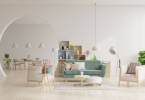
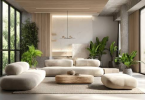
Living room decor plays an important role in shaping the atmosphere of your home. Since the living room is often the first space guests see and the area where families spend the most time together, it deserves careful planning and thoughtful design. Whether you live in a small apartment or a spacious house, the right decorating choices can transform an ordinary room into a warm, stylish, and inviting environment.
Many people believe that creating an attractive living room requires a large budget. However, beautiful living room decor is more about smart planning than expensive furniture. Choosing the right colors, arranging furniture effectively, adding decorative accessories, and maintaining balance can completely change how your room looks and feels. Even simple updates like adding throw pillows, artwork, or indoor plants can make a noticeable difference.
This guide explains everything you need to know about living room decor in a simple and practical way. You’ll learn the basics, understand why decorating matters, follow easy step-by-step instructions, discover common mistakes to avoid, and gain expert tips for creating a comfortable space that reflects your personal style. Whether you’re decorating from scratch or refreshing your current setup, these ideas will help you build a living room you’ll enjoy every day.
What is Living Room Decor?
Living room decor refers to the process of designing and decorating your living space using furniture, colors, lighting, textiles, artwork, accessories, and decorative elements. The goal is to create a room that is visually appealing while remaining practical and comfortable for everyday use.
A well-designed living room combines style with functionality. Every item should contribute to the overall appearance while serving a useful purpose. Good living room decor considers room size, natural lighting, furniture placement, and personal preferences to create a balanced and welcoming environment.
Why is Living Room Decor Important?
A thoughtfully decorated living room offers much more than visual appeal. It creates a positive atmosphere where family members can relax, entertain guests, and spend quality time together.
Well-planned living room decor also increases comfort by improving furniture arrangement and making better use of available space. Additionally, an attractive living room can enhance your home’s value and leave a lasting impression on visitors.
Decorating your living room also allows you to express your personality. Whether you prefer modern, traditional, rustic, minimalist, or contemporary designs, your decor choices reflect your lifestyle and taste.
Detailed Step-by-Step Guide
Step 1: Define Your Style
Start by deciding how you want your living room to look.
Popular styles include:
- Modern
- Minimalist
- Scandinavian
- Traditional
- Farmhouse
- Industrial
- Bohemian
Choosing one primary style helps maintain consistency throughout the room.
Step 2: Choose a Color Palette
Select two or three main colors that complement each other.
Neutral colors such as white, beige, gray, and cream provide a timeless foundation. Accent colors like navy blue, forest green, mustard yellow, or terracotta add personality without overwhelming the space.
Step 3: Select Comfortable Furniture
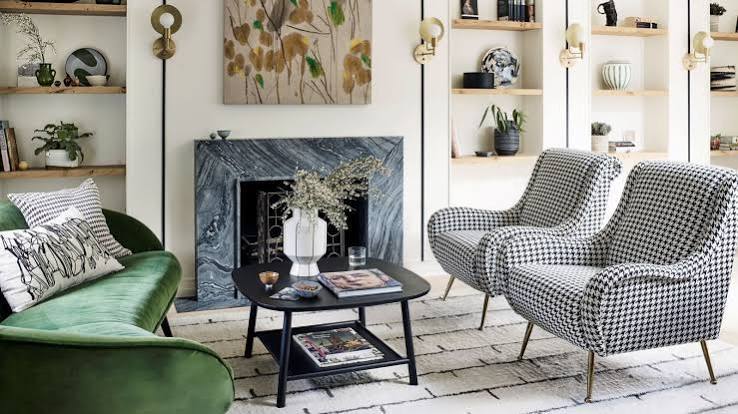
Furniture should fit both your room size and daily needs.
Essential furniture often includes:
- Comfortable sofa
- Coffee table
- Accent chairs
- TV stand or entertainment unit
- Side tables
- Storage cabinets
Avoid overcrowding the room with unnecessary pieces.
Step 4: Arrange Furniture Properly
Create a layout that encourages conversation and easy movement.
Leave enough walking space between furniture and position seating around a central focal point such as a fireplace, television, or coffee table.
Step 5: Add Proper Lighting
Lighting greatly influences the mood of your living room.
Combine different lighting types:
- Natural light
- Ceiling lights
- Floor lamps
- Table lamps
- Accent lighting
Layered lighting creates warmth and flexibility throughout the day.
Step 6: Decorate the Walls
Blank walls can make a room feel unfinished.
Consider adding:
- Framed artwork
- Mirrors
- Floating shelves
- Family photographs
- Decorative panels
- Large statement pieces
Wall decor should complement your overall design rather than compete with it.
Step 7: Include Soft Textures
Textiles make a room feel comfortable and inviting.
Use:
- Area rugs
- Throw blankets
- Decorative pillows
- Curtains
- Fabric ottomans
Mix different textures to create depth and visual interest.
Step 8: Add Plants and Accessories
Indoor plants bring freshness and color into your home.
Popular decorative accessories include:
- Candles
- Vases
- Books
- Sculptures
- Decorative trays
- Baskets
Keep accessories balanced without making surfaces appear cluttered.
Step 9: Maintain Organization
Storage solutions help keep your living room neat.
Use storage baskets, cabinets, shelves, and multifunctional furniture to reduce clutter while keeping everyday items accessible.
Benefits of Living Room Decor
- Creates a welcoming atmosphere for family and guests.
- Improves overall comfort and relaxation.
- Makes better use of available space.
- Enhances your home’s appearance.
- Reflects your personality and lifestyle.
- Increases property appeal and potential value.
- Improves organization and cleanliness.
- Supports better lighting and functionality.
- Makes entertaining guests more enjoyable.
- Encourages family interaction and daily comfort.
Disadvantages / Risks
- Decorating can become expensive without a clear budget.
- Following trends too closely may result in outdated designs.
- Overdecorating creates visual clutter.
- Poor furniture placement reduces functionality.
- Low-quality materials may wear out quickly.
- Ignoring room proportions affects overall balance.
- Excessive accessories increase cleaning and maintenance.
Common Mistakes to Avoid
One common mistake is buying furniture before measuring the room. Oversized furniture can make even large spaces feel cramped, while small furniture may appear out of place.
Another mistake is relying on only one light source. Layered lighting provides both function and ambiance.
Many homeowners also choose matching furniture sets without adding variety. Mixing textures, colors, and materials creates a more natural and interesting appearance.
Ignoring storage is another frequent issue. Decorative storage keeps the room organized without sacrificing style.
Finally, avoid filling every empty space. Negative space helps highlight your decor and creates a cleaner, more elegant look.
FAQs
1. How often should I update my living room decor?
Small updates can be made seasonally, while major changes every three to five years help keep your living room fresh and modern without unnecessary expense.
2. What colors work best for living room decor?
Neutral shades such as white, beige, gray, and cream remain timeless. Accent colors like blue, green, black, or earthy tones add character while maintaining balance.
3. How can I decorate a small living room?
Use multifunctional furniture, mirrors, light-colored walls, vertical storage, and minimal accessories to maximize both space and style.
4. Is expensive furniture necessary for beautiful living room decor?
No. Careful planning, quality materials, and thoughtful styling matter more than high prices. Affordable furniture can look elegant when paired with good design choices.
5. What accessories should every living room have?
Throw pillows, rugs, curtains, artwork, indoor plants, decorative lighting, and coffee table accessories help complete the room without overwhelming it.
6. How do I make my living room look more luxurious?
Choose a consistent color palette, invest in quality lighting, incorporate layered textures, use large artwork, keep the space organized, and avoid excessive decoration.
Expert Tips & Bonus Points
Start decorating with a clear budget to avoid unnecessary spending. Focus first on essential furniture before purchasing decorative accessories.
Always measure your room before buying furniture or rugs. Proper sizing creates a balanced appearance and improves movement throughout the space.
Mix materials like wood, metal, glass, and fabric to create depth without making the room feel busy.
Use mirrors strategically to reflect natural light and make smaller rooms appear larger.
Keep seasonal decorations simple so they enhance your design rather than dominate it.
Finally, remember that comfort should always be as important as appearance. A beautiful living room should also be enjoyable for everyday living.
Conclusion
Living room decor is about creating a space that combines beauty, comfort, and functionality. Every decorating decision, from selecting furniture and colors to arranging accessories and lighting, contributes to the overall atmosphere of your home. By following a clear plan and focusing on balance rather than excess, anyone can design a welcoming living room that feels both stylish and practical.
You don’t need a professional designer or a large budget to achieve impressive results. Small improvements made thoughtfully often have the greatest impact. Choosing furniture that fits your space, incorporating soft textures, adding natural elements, and maintaining organization can dramatically improve the look and feel of your living room. Personal touches such as artwork, family photos, and carefully selected decorative pieces make the room unique while reflecting your individual taste.
Most importantly, remember that successful living room decor should support your daily lifestyle. A well-designed space encourages relaxation, meaningful conversations, and memorable moments with family and friends. As trends change, focus on timeless principles like balance, comfort, quality, and functionality. By applying the ideas in this guide, you can confidently create a living room that remains attractive, welcoming, and enjoyable for years to come.