
Introduction
Interior Design is more than choosing attractive furniture or painting walls in stylish colors. It is the process of planning, organizing, and decorating indoor spaces to make them functional, comfortable, and visually appealing. A well-designed interior can improve your daily life by creating an environment that supports relaxation, productivity, and personal expression. Whether you are decorating a new home, renovating a single room, or updating your office, understanding the basics of Interior Design can help you make smarter decisions.
Today, Interior Design has become accessible to everyone, not just professionals. With proper planning, creativity, and attention to detail, anyone can transform an ordinary space into an inviting and practical environment. Every element, from lighting and furniture to colors and textures, plays an important role in achieving balance and harmony.
This guide explains everything you need to know about Interior Design, including its importance, step-by-step planning process, benefits, common mistakes, and expert recommendations. Whether you are a beginner or someone with basic knowledge, these practical tips will help you create spaces that are both stylish and functional without making costly mistakes.
What is Interior Design?
Interior Design is the art and science of enhancing indoor spaces to improve functionality, comfort, safety, and appearance. It combines creativity with practical planning to create environments that meet the needs of the people using them.
Professional Interior Design involves selecting suitable furniture, color schemes, lighting, flooring, accessories, and layouts while considering space utilization and lifestyle requirements. The goal is to create rooms that look attractive while serving their intended purpose efficiently.
Why is Interior Design Important?
Interior Design offers much more than visual beauty. It directly affects how people feel, work, and interact within a space.
A thoughtfully designed home creates a welcoming atmosphere and improves everyday comfort. Proper layouts increase efficiency, while good lighting enhances mood and productivity. Interior Design also increases property value by making homes more attractive to potential buyers.
Businesses benefit from Interior Design because organized and comfortable workplaces improve employee satisfaction and create positive impressions on clients. Even small design improvements can significantly change the overall experience of a space.
Detailed Step-by-Step Guide
Step 1: Define Your Goals
Start by identifying the purpose of the room. Think about who will use the space and how often it will be used. Your goals should guide every design decision.
Step 2: Set a Realistic Budget
Determine how much you can comfortably spend. Divide your budget into categories such as furniture, lighting, paint, flooring, decorations, and unexpected expenses.
Step 3: Measure the Space
Accurate measurements prevent purchasing furniture that is too large or too small. Measure walls, windows, doors, and ceiling height before making purchases.
Step 4: Choose a Design Style
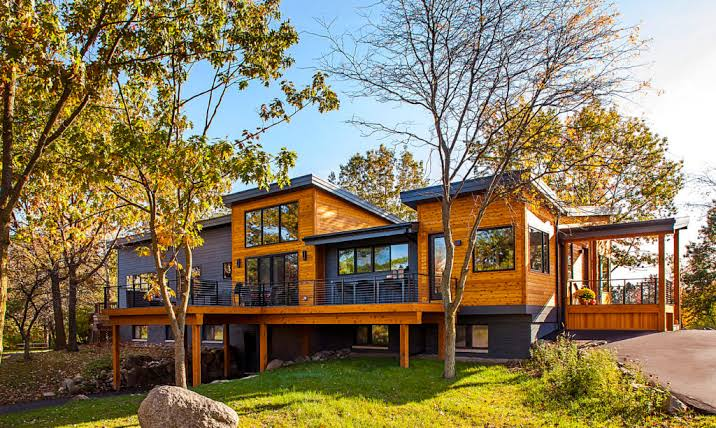
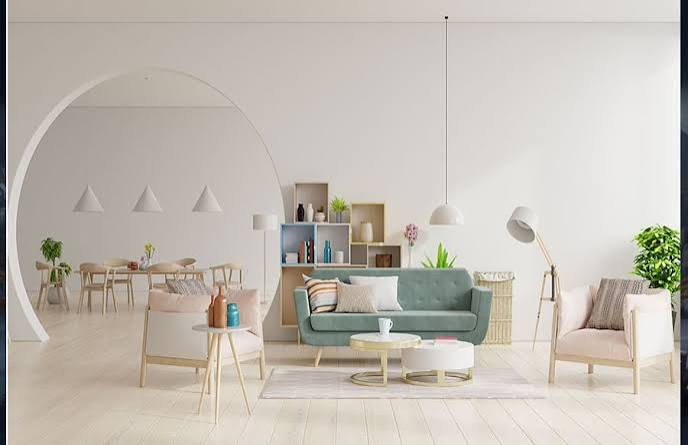
Select a style that reflects your personality. Popular options include modern, contemporary, minimalist, Scandinavian, industrial, traditional, farmhouse, and luxury interiors.
Step 5: Create a Color Palette
Choose colors that match the mood you want to create. Neutral colors offer flexibility, while bold colors add personality and visual interest.
Step 6: Plan Furniture Placement
Arrange furniture to maximize movement and functionality. Avoid overcrowding the room and leave enough walking space.
Step 7: Focus on Lighting
Combine natural light with ambient, task, and accent lighting. Layered lighting creates a balanced and comfortable atmosphere.
Step 8: Add Textures and Materials
Mix different materials such as wood, glass, metal, fabric, and stone to create depth and visual appeal.
Step 9: Decorate with Accessories
Complete your Interior Design using artwork, rugs, cushions, curtains, indoor plants, mirrors, and decorative items that complement your overall theme.
Step 10: Review and Improve
Live with your design for a few days before making final adjustments. Small changes often create significant improvements.
Benefits of Interior Design
- Creates comfortable living environments.
- Improves functionality and organization.
- Enhances visual appeal.
- Increases property value.
- Reflects personal style.
- Maximizes available space.
- Improves lighting efficiency.
- Supports better mental well-being.
- Makes cleaning and maintenance easier.
- Creates a welcoming atmosphere for guests.
Disadvantages / Risks
- Professional services can be expensive.
- Poor planning may waste money.
- Following trends blindly can date your space quickly.
- Low-quality materials reduce durability.
- Incorrect furniture sizes can limit movement.
- Too many decorations create visual clutter.
- Ignoring lighting reduces comfort.
- Frequent redesigns increase long-term costs.
Common Mistakes to Avoid
One of the biggest mistakes in Interior Design is purchasing furniture before measuring the room. Oversized pieces make spaces feel cramped, while furniture that is too small creates an unbalanced appearance.
Another common error is using too many colors without a clear theme. Maintaining a consistent color palette creates harmony throughout the room.
Many homeowners also ignore lighting. Depending only on ceiling lights often makes interiors feel flat. Instead, combine multiple lighting sources for better results.
Avoid placing all furniture against the walls. Creating conversation areas usually makes rooms feel warmer and more inviting.
Finally, remember that functionality should always come before decoration. A beautiful room should also be practical for everyday living.
FAQs
What is the main purpose of Interior Design?
The primary purpose is to create spaces that are functional, comfortable, safe, and visually attractive while meeting the needs of the people using them.
Can beginners learn Interior Design?
Yes. Beginners can learn Interior Design by studying design principles, practicing room planning, and experimenting with colors, furniture arrangements, and lighting.
How important is lighting in Interior Design?
Lighting is one of the most important elements because it affects visibility, mood, comfort, and the overall appearance of every room.
What colors make rooms appear larger?
Light shades such as white, cream, soft gray, and beige reflect more light, making spaces feel larger and brighter.
How can I improve Interior Design on a small budget?
Paint walls, rearrange furniture, improve lighting, add plants, use decorative cushions, and invest in a few quality accessories instead of replacing everything.
How often should Interior Design be updated?
Major renovations are not necessary every year. Simple updates like changing accessories, paint, curtains, or furniture placement every few years can keep interiors looking fresh.
Expert Tips & Bonus Points
Always begin with a detailed plan before buying anything.
Invest in quality furniture that offers long-term durability.
Use mirrors to reflect natural light and make smaller rooms feel larger.
Choose timeless designs instead of following every temporary trend.
Include storage solutions to reduce clutter and maintain organization.
Mix textures rather than using too many bold colors.
Leave some empty space because balance is an essential part of excellent Interior Design.
Add indoor plants to improve freshness and create a natural atmosphere.
Focus on comfort as much as appearance.
Review your design regularly and make small improvements over time instead of expensive complete renovations.
Conclusion
Interior Design is a valuable investment that combines creativity with practical planning to improve the quality of everyday life. Rather than focusing only on decoration, it creates balanced spaces that support comfort, functionality, and personal style. Every choice, including furniture placement, lighting, colors, textures, and accessories, contributes to the overall atmosphere of a room.
Whether you are redesigning your entire home or updating a single room, following a structured approach helps you avoid costly mistakes while achieving professional-looking results. Careful planning, realistic budgeting, and thoughtful material selection allow you to create interiors that remain attractive for many years.
The best Interior Design reflects the people who live in the space while meeting their daily needs. There is no single perfect style because every home is unique. By understanding the principles explained in this guide and applying them gradually, you can confidently transform ordinary spaces into beautiful, functional, and welcoming environments. With patience, creativity, and attention to detail, Interior Design becomes an enjoyable process that enhances both the appearance of your property and your overall lifestyle.