
Introduction
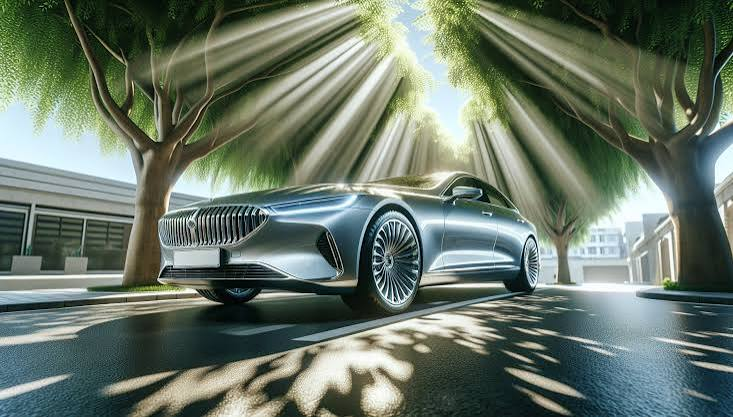
Luxury cars have always represented comfort, innovation, and outstanding performance. They are designed to provide an exceptional driving experience while offering premium materials, advanced technology, and elegant styling. Whether someone is purchasing their first premium vehicle or simply exploring the market, understanding luxury cars helps make smarter buying decisions.
Today’s luxury cars are much more than attractive vehicles. They include advanced safety systems, intelligent driver assistance features, powerful yet efficient engines, and luxurious interiors that create a comfortable journey for both drivers and passengers. In addition, manufacturers continue introducing electric and hybrid models that combine environmental responsibility with premium performance.
For beginners, choosing among different luxury cars may seem confusing because every brand offers unique features and pricing. However, understanding the basics makes comparing models much easier. Factors such as reliability, maintenance costs, technology, resale value, and driving comfort all play an important role.
This guide explains everything you need to know about luxury cars. From understanding what makes them special to learning how to choose the right model, you’ll gain practical knowledge that helps you make confident decisions. Whether your goal is comfort, performance, status, or long-term value, this article covers every essential aspect.
What is Luxury Cars?
Luxury cars are premium vehicles designed to deliver superior comfort, advanced technology, high-quality craftsmanship, and impressive performance. Unlike standard vehicles, they focus on creating a refined driving experience through carefully selected materials, innovative engineering, and exclusive features.
Most luxury cars include leather interiors, premium sound systems, digital displays, adaptive suspension, climate-controlled seating, advanced safety technology, and powerful engines. Many also feature personalized customization options that allow buyers to create a vehicle matching their preferences.
Luxury brands continuously invest in research and development, ensuring their vehicles remain at the forefront of automotive innovation. As a result, drivers enjoy better comfort, improved safety, and enhanced driving performance.
Why is Luxury Cars Important?
Luxury cars provide more than transportation. They improve driving satisfaction while introducing technologies that eventually become common in standard vehicles.
Their importance includes:
- Superior passenger comfort
- Advanced safety innovations
- Better driving performance
- Premium craftsmanship
- Long-lasting build quality
- Higher resale value for many models
- Greater driving confidence
- Enhanced ownership experience
Additionally, luxury cars often set new industry standards by introducing groundbreaking features years before they appear in mainstream vehicles.
Detailed Step-by-Step Guide
Step 1: Determine Your Budget
Start by deciding how much you can comfortably spend. Include purchase price, insurance, taxes, fuel, servicing, and maintenance costs before making your decision.
Step 2: Identify Your Driving Needs

Think about your daily lifestyle. A luxury sedan works well for commuting, while an SUV offers more passenger space and practicality. Sports models prioritize performance, whereas executive sedans focus on comfort.
Step 3: Compare Available Features
Modern luxury cars offer numerous premium features, including:
- Adaptive cruise control
- Parking assistance
- Digital instrument clusters
- Heated and ventilated seats
- Panoramic sunroofs
- Premium audio systems
- Wireless smartphone connectivity
- Advanced navigation
Compare these features to determine which ones provide real value.
Step 4: Research Reliability
Some luxury cars require less maintenance than others. Reading owner reviews and reliability reports helps estimate future repair costs and long-term ownership satisfaction.
Step 5: Take Multiple Test Drives
Never purchase a premium vehicle without driving it first. Test different models under similar road conditions to evaluate comfort, steering, acceleration, braking, visibility, and interior quality.
Step 6: Review Ownership Costs
Luxury ownership extends beyond the purchase price. Calculate:
- Insurance premiums
- Fuel expenses
- Scheduled servicing
- Replacement parts
- Tire costs
- Registration fees
Understanding total ownership costs prevents financial surprises later.
Step 7: Evaluate Safety Ratings
Modern luxury cars typically include advanced driver assistance systems, but always compare crash-test ratings and available safety technologies before finalizing your purchase.
Step 8: Consider Future Value
Vehicles with strong brand reputation, reliable engineering, and popular features usually maintain better resale value over time.
Benefits of Luxury Cars
- Exceptional ride comfort
- Premium interior materials
- Advanced driver assistance technology
- Powerful engine performance
- Improved road stability
- Excellent safety features
- Higher resale potential
- Better sound insulation
- Innovative infotainment systems
- Prestige and professional appearance
- Customization options
- Superior build quality
Disadvantages / Risks
- Higher purchase prices
- Expensive maintenance and repairs
- Costlier insurance premiums
- Premium fuel requirements for many models
- Faster depreciation for certain vehicles
- More expensive replacement parts
- Advanced technology may increase repair complexity
- Specialized servicing requirements
Common Mistakes to Avoid
Many buyers become excited when shopping for luxury cars but overlook important details.
Ignoring maintenance expenses is one of the biggest mistakes. A lower purchase price does not always mean affordable ownership.
Another mistake involves focusing only on appearance instead of practicality. Beautiful styling should never outweigh comfort, reliability, and everyday usability.
Some buyers skip test drives and rely entirely on online reviews. Personal driving experience often reveals differences impossible to understand through specifications alone.
Others purchase vehicles with unnecessary features that significantly increase the price without adding meaningful value.
Finally, overlooking warranty coverage and service history can lead to unexpected repair costs after purchase.
FAQs
What makes luxury cars different from regular cars?
Luxury cars offer premium materials, advanced technology, better comfort, stronger performance, and enhanced safety compared to standard vehicles.
Are luxury cars worth the investment?
Yes, if comfort, technology, driving performance, and premium ownership experience match your priorities and budget.
Do luxury cars cost more to maintain?
Generally, yes. Premium parts, specialized servicing, and advanced technology often increase maintenance expenses.
Should beginners buy used luxury cars?
A well-maintained used luxury car with complete service records can provide excellent value while reducing initial purchase costs.
Which features should I prioritize?
Focus on safety technology, reliability, comfort, fuel efficiency, warranty coverage, and long-term ownership costs before optional luxury upgrades.
How can I reduce ownership expenses?
Regular maintenance, careful driving, comparing insurance providers, and following manufacturer service schedules help minimize long-term costs.
Expert Tips & Bonus Points
Always research ownership costs before purchasing any luxury vehicle. Comparing multiple models prevents emotional buying decisions and helps identify the best overall value.
Look for certified pre-owned options if your budget is limited. These vehicles often include inspections and warranty coverage while costing significantly less than brand-new models.
Schedule maintenance according to manufacturer recommendations rather than waiting for problems to appear. Preventive care extends vehicle life and preserves resale value.
Choose features you will actually use instead of paying extra for unnecessary upgrades. Practical technology provides better long-term satisfaction.
Finally, remember that the best luxury cars balance comfort, performance, reliability, and affordability instead of simply carrying the highest price tag.
Conclusion
Luxury cars continue to redefine the driving experience through innovation, craftsmanship, and outstanding performance. They combine advanced technology with premium comfort, making every journey more enjoyable and secure. Although purchasing a luxury vehicle requires careful planning, informed buyers can enjoy years of reliable performance and satisfaction by considering their budget, driving needs, maintenance costs, and desired features.
Understanding the differences between various luxury cars allows buyers to make confident decisions instead of relying solely on brand reputation or appearance. Comparing safety systems, ownership costs, reliability, and resale value creates a balanced perspective that leads to better investments. A thorough test drive and detailed research remain essential steps before making any purchase.
While luxury ownership involves higher expenses than standard vehicles, the rewards often include superior comfort, refined engineering, impressive performance, and cutting-edge technology. Whether you choose a sophisticated sedan, a spacious SUV, or a high-performance coupe, selecting the right luxury car should always reflect your lifestyle and long-term goals. By following the practical advice outlined in this guide, both beginners and experienced buyers can confidently navigate the premium automotive market and enjoy all the advantages that luxury cars have to offer.