

Introduction
Healthy recipes are more than just meals with fewer calories. They combine fresh ingredients, balanced nutrition, and simple cooking methods to create dishes that support overall well-being while still tasting delicious. Whether you are trying to improve your diet, maintain a healthy weight, or simply prepare better meals for your family, learning to cook nutritious recipes is a valuable skill that benefits every stage of life.
Many people assume healthy cooking requires expensive ingredients or advanced culinary knowledge. In reality, some of the best healthy recipes use affordable foods such as vegetables, fruits, whole grains, lean proteins, and healthy fats. With proper planning and a few basic techniques, anyone can prepare satisfying meals that are both flavorful and nourishing.
This guide explores everything you need to know about healthy recipes, including why they matter, how to create balanced meals, common cooking mistakes, and practical tips for everyday success. By following these simple strategies, beginners and experienced home cooks alike can enjoy meals that promote better health without sacrificing taste. Small improvements in your cooking habits can lead to significant long-term benefits for your body, mind, and overall lifestyle.
What Are Healthy Recipes?
Healthy recipes are meals prepared with nutritious ingredients that provide essential vitamins, minerals, protein, fiber, and healthy fats while limiting excessive sugar, unhealthy fats, and sodium. They focus on balance rather than restriction, allowing people to enjoy delicious food while supporting good health.
Examples include grilled chicken with vegetables, oatmeal topped with fresh berries, vegetable stir-fry with brown rice, lentil soup, baked salmon with quinoa, and fresh fruit smoothies made without added sugar.
Why Are Healthy Recipes Important?
Healthy recipes help people build better eating habits while ensuring the body receives the nutrients needed for daily activities. Preparing meals at home also gives you greater control over ingredients, cooking methods, and portion sizes.
Nutritious meals can improve energy levels, strengthen immunity, support heart health, aid digestion, and reduce the risk of chronic diseases. Cooking healthy recipes regularly also encourages mindful eating and reduces dependence on processed foods.
Step-by-Step Guide to Preparing Healthy Recipes
Step 1: Plan Your Weekly Meals
Create a simple meal plan before shopping. Planning reduces food waste, saves money, and makes healthy eating easier throughout the week.
Step 2: Choose Fresh Ingredients
Fill your shopping basket with colorful vegetables, seasonal fruits, whole grains, lean proteins, low-fat dairy products, beans, nuts, and seeds. Fresh ingredients provide better flavor and nutrition.
Step 3: Use Healthy Cooking Methods
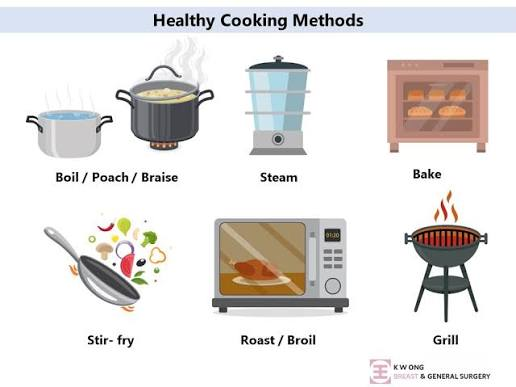
Choose cooking techniques that preserve nutrients while reducing unnecessary fat.
- Grilling
- Baking
- Steaming
- Roasting
- Air frying
- Stir-frying with minimal oil
Step 4: Build Balanced Meals
Every meal should contain lean protein, complex carbohydrates, healthy fats, and vegetables. For example, grilled salmon, brown rice, roasted broccoli, and avocado create a balanced and satisfying dinner.
Step 5: Season Naturally
Enhance flavor with herbs, garlic, onions, lemon juice, black pepper, paprika, turmeric, oregano, and fresh spices instead of excessive salt or sugary sauces.
Step 6: Practice Portion Control
Even healthy meals should be eaten in reasonable portions. Eat slowly and stop when comfortably full to avoid overeating.
Benefits of Healthy Recipes
Preparing healthy recipes consistently offers many advantages.
- Supports healthy weight management.
- Improves heart health.
- Provides steady energy.
- Boosts immune function.
- Promotes healthy digestion.
- Strengthens muscles and bones.
- Improves concentration.
- Reduces processed food consumption.
- Encourages better family eating habits.
- Saves money compared with frequent restaurant meals.
- Helps maintain stable blood sugar levels.
- Promotes long-term wellness.
Disadvantages and Risks
Healthy cooking has very few disadvantages, but some challenges should be considered.
- Fresh ingredients may spoil quickly without proper storage.
- Meal preparation requires planning and time.
- Restrictive diets may reduce nutritional variety.
- Some specialty ingredients can be expensive.
- Following online trends without proper knowledge may create nutrient deficiencies.
- Overeating healthy foods can still increase calorie intake.
Common Mistakes to Avoid
Many beginners unintentionally make healthy cooking more difficult than necessary.
Using too much oil during cooking increases calories without adding significant nutrition.
Relying heavily on processed “health foods” may introduce unnecessary sugar, sodium, or preservatives.
Skipping vegetables limits important vitamins, minerals, and fiber.
Ignoring protein intake can reduce meal satisfaction and increase hunger later.
Preparing large portions often leads to unnecessary overeating.
Avoiding healthy fats completely may reduce nutrient absorption and affect overall health.
Frequently Asked Questions
1. What makes a recipe healthy?
A healthy recipe includes balanced portions of vegetables, lean protein, whole grains, healthy fats, and minimal added sugar, sodium, and unhealthy fats while providing essential nutrients.
2. Are healthy recipes expensive?
No. Many affordable ingredients such as beans, oats, eggs, seasonal vegetables, brown rice, and frozen fruits can be used to prepare nutritious meals without exceeding your budget.
3. Can healthy recipes help with weight loss?
Yes. Balanced meals made with wholesome ingredients and appropriate portion sizes can support healthy weight loss while keeping you satisfied.
4. How often should I cook at home?
Preparing home-cooked meals most days of the week allows greater control over nutrition and often leads to healthier eating habits than relying on restaurant meals.
5. Are frozen vegetables healthy?
Yes. Frozen vegetables retain most of their nutrients because they are usually frozen shortly after harvesting, making them a convenient and nutritious option.
6. Can healthy recipes still taste delicious?
Absolutely. Fresh herbs, spices, citrus juice, garlic, onions, and quality ingredients create flavorful meals without depending on excessive salt, sugar, or unhealthy fats.
Expert Tips and Bonus Points
Prepare ingredients in advance by washing vegetables, cooking grains, and portioning snacks before the week begins.
Experiment with different herbs and spices to keep meals exciting without adding unnecessary calories.
Keep healthy pantry staples such as oats, beans, canned tomatoes, brown rice, whole wheat pasta, olive oil, and nuts available for quick meals.
Cook extra portions and store leftovers safely for convenient lunches or dinners during busy weekdays.
Choose colorful ingredients because a variety of colors often indicates a wider range of vitamins, minerals, and antioxidants.
Remember that consistency is more important than perfection. Focus on making healthier choices most of the time instead of expecting every meal to be perfect.
Conclusion
Healthy recipes provide a practical and enjoyable way to improve your overall lifestyle. By choosing fresh ingredients, preparing balanced meals, and using nutritious cooking methods, you can create delicious dishes that support long-term health without sacrificing flavor. Home cooking also gives you complete control over ingredients, helping reduce excessive sugar, sodium, and unhealthy fats commonly found in processed foods.
The journey toward healthier eating does not require dramatic changes. Begin with simple improvements such as adding more vegetables, choosing whole grains, using lean proteins, and preparing meals at home more frequently. Over time, these small habits become part of your daily routine and deliver lasting benefits for your energy, weight, digestion, and overall well-being.
Healthy recipes are suitable for everyone, regardless of cooking experience. With thoughtful planning, balanced nutrition, and a willingness to experiment with wholesome ingredients, you can enjoy satisfying meals every day. Building these habits today creates a stronger foundation for lifelong health while making every meal an opportunity to nourish your body and enjoy good food with confidence.