

Introduction
A healthy body is one of the greatest assets anyone can have, and building it starts with the right habits. This Fitness Guide is designed to help beginners and intermediate readers understand the fundamentals of exercise, nutrition, recovery, and consistency. Whether your goal is to lose weight, build muscle, improve endurance, or simply feel more energetic, following a structured approach makes the journey easier and more rewarding.
Many people assume fitness requires expensive equipment or hours in the gym every day. In reality, sustainable progress comes from making smart choices, staying active regularly, and maintaining balance in your daily routine. Small improvements practiced consistently often produce better long-term results than intense workouts that cannot be maintained.
This Fitness Guide explains the essential principles of healthy living while providing practical steps that anyone can follow. From setting realistic goals to choosing effective workouts and avoiding common mistakes, you will gain valuable knowledge that supports lasting success. Remember that fitness is not about perfection. It is about becoming healthier, stronger, and more confident through consistent effort and positive lifestyle choices.
What Is a Fitness Guide?
A Fitness Guide is a structured resource that helps individuals improve their physical health through exercise, proper nutrition, recovery, and healthy habits. It provides practical advice on building strength, increasing endurance, improving flexibility, and maintaining overall wellness.
Fitness is more than appearance. It involves developing a healthy body that performs daily activities efficiently while reducing the risk of illness and injury. A complete fitness plan combines cardiovascular exercise, strength training, mobility work, balanced nutrition, hydration, and sufficient rest.
Why Is a Fitness Guide Important?
Following a Fitness Guide helps people stay focused, organized, and motivated throughout their health journey. Instead of guessing what to do, you follow proven strategies that support steady improvement.
A good fitness routine can:
- Improve cardiovascular health.
- Increase muscle strength.
- Enhance flexibility and mobility.
- Support healthy weight management.
- Boost energy levels.
- Improve mental well-being.
- Strengthen bones and joints.
- Reduce the risk of chronic diseases.
Step-by-Step Fitness Guide
Step 1: Set Clear Fitness Goals
Begin with realistic and measurable goals. Your objective may be losing body fat, gaining muscle, increasing stamina, or improving overall health. Clear goals make progress easier to track.
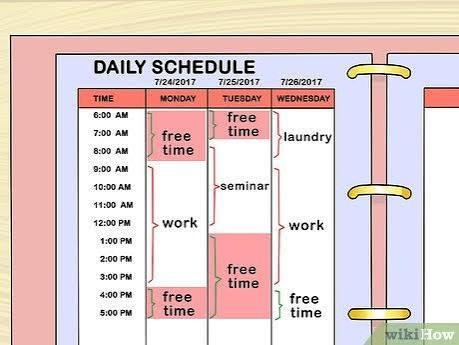
Step 2: Create a Weekly Workout Plan
Schedule workouts throughout the week to build consistency. A balanced routine may include strength training, cardio, stretching, and rest days.
Example:
- Monday – Upper body
- Tuesday – Cardio
- Wednesday – Lower body
- Thursday – Active recovery
- Friday – Full-body workout
- Saturday – Light cardio
- Sunday – Rest
Step 3: Warm Up Before Exercise
Spend five to ten minutes preparing your body with light movement and dynamic stretching. Warming up improves circulation and reduces injury risk.
Step 4: Include Strength Training
Strength exercises help build muscle, improve metabolism, and increase bone density. Focus on compound movements such as squats, push-ups, lunges, rows, and shoulder presses.
Step 5: Perform Cardiovascular Exercise
Walking, jogging, cycling, swimming, or jumping rope strengthens the heart and improves endurance. Aim for regular moderate-intensity cardio sessions each week.
Step 6: Eat Nutritious Foods
Support your workouts with balanced meals containing lean protein, whole grains, healthy fats, fruits, and vegetables. Proper nutrition fuels recovery and performance.
Step 7: Prioritize Recovery
Muscles grow during recovery, not during exercise. Sleep at least seven to eight hours each night and include rest days in your weekly schedule.
Step 8: Monitor Your Progress
Track workouts, body measurements, strength improvements, or endurance levels. Regular monitoring keeps motivation high and highlights areas for improvement.
Benefits of Following a Fitness Guide
Maintaining a consistent fitness routine offers numerous advantages:
- Increased physical strength.
- Better heart health.
- Improved posture.
- Higher energy levels.
- Healthy weight management.
- Stronger muscles and bones.
- Better flexibility.
- Enhanced mental focus.
- Reduced stress.
- Improved sleep quality.
- Greater confidence.
- Long-term disease prevention.
Disadvantages and Risks
Although exercise is beneficial, poor planning may lead to challenges.
- Overtraining can cause fatigue and injuries.
- Incorrect exercise technique increases injury risk.
- Skipping recovery limits progress.
- Unrealistic expectations may reduce motivation.
- Ignoring nutrition affects performance and recovery.
- Exercising through pain may worsen injuries.
Common Mistakes to Avoid
Many beginners struggle because of avoidable mistakes.
Starting with overly intense workouts often leads to burnout instead of long-term consistency.
Ignoring proper form increases the likelihood of injuries while reducing exercise effectiveness.
Skipping warm-ups and cool-downs places unnecessary stress on muscles and joints.
Not drinking enough water reduces performance and delays recovery.
Comparing your progress with others can reduce confidence. Focus on personal improvement instead.
Changing workout programs too frequently prevents steady progress. Follow a structured routine for several weeks before making adjustments.
Frequently Asked Questions
1. How many days should beginners exercise each week?
Most beginners benefit from exercising three to five days weekly. This allows enough activity for progress while providing sufficient recovery between sessions.
2. Is strength training necessary?
Yes. Strength training builds muscle, supports healthy bones, improves metabolism, and enhances everyday physical performance. It should be part of every balanced fitness routine.
3. What should I eat before a workout?
Choose a light meal containing carbohydrates and moderate protein about one to two hours before exercising. Examples include oatmeal with fruit or whole-grain toast with eggs.
4. How long should each workout last?
Most effective workouts last between thirty and sixty minutes. Quality and consistency are more important than spending excessive time exercising.
5. Can I lose weight without going to the gym?
Yes. Walking, bodyweight exercises, cycling, running, swimming, and home workouts can effectively support weight loss when combined with healthy eating habits.
6. Why is rest important in fitness?
Rest allows muscles to recover, reduces injury risk, restores energy, and improves overall performance. Recovery is an essential part of every successful fitness program.
Expert Tips & Bonus Points
Stay consistent even when motivation is low because discipline creates lasting results.
Increase workout intensity gradually instead of making dramatic changes.
Drink water before, during, and after exercise to maintain proper hydration.
Focus on proper movement quality before increasing weight or repetitions.
Prepare healthy meals in advance to avoid unhealthy food choices.
Celebrate small achievements because every improvement contributes to your long-term success.
Remember that fitness is a lifelong journey rather than a short-term challenge. Sustainable habits always outperform temporary efforts.
Conclusion
Achieving better health does not require perfection or complicated workout routines. This Fitness Guide demonstrates that steady progress comes from consistency, balanced nutrition, regular exercise, adequate recovery, and realistic goals. By following a structured plan, you can improve strength, endurance, flexibility, and overall well-being while building habits that last for years.
Start with manageable changes instead of attempting to transform everything at once. Schedule your workouts, eat nutritious meals, stay hydrated, and give your body enough time to recover. These simple actions create a strong foundation for long-term success.
Remember that every person progresses at a different pace. Avoid comparing yourself with others and focus on becoming stronger than you were yesterday. Consistency always delivers better results than occasional bursts of extreme effort. With patience, determination, and the strategies shared in this Fitness Guide, you can develop a healthier lifestyle, improve your physical performance, increase your confidence, and enjoy the lasting benefits of lifelong fitness.